Nov 2nd, 2026
The First 48 Hours After a Car Accident in California With a Step-by-Step Guide
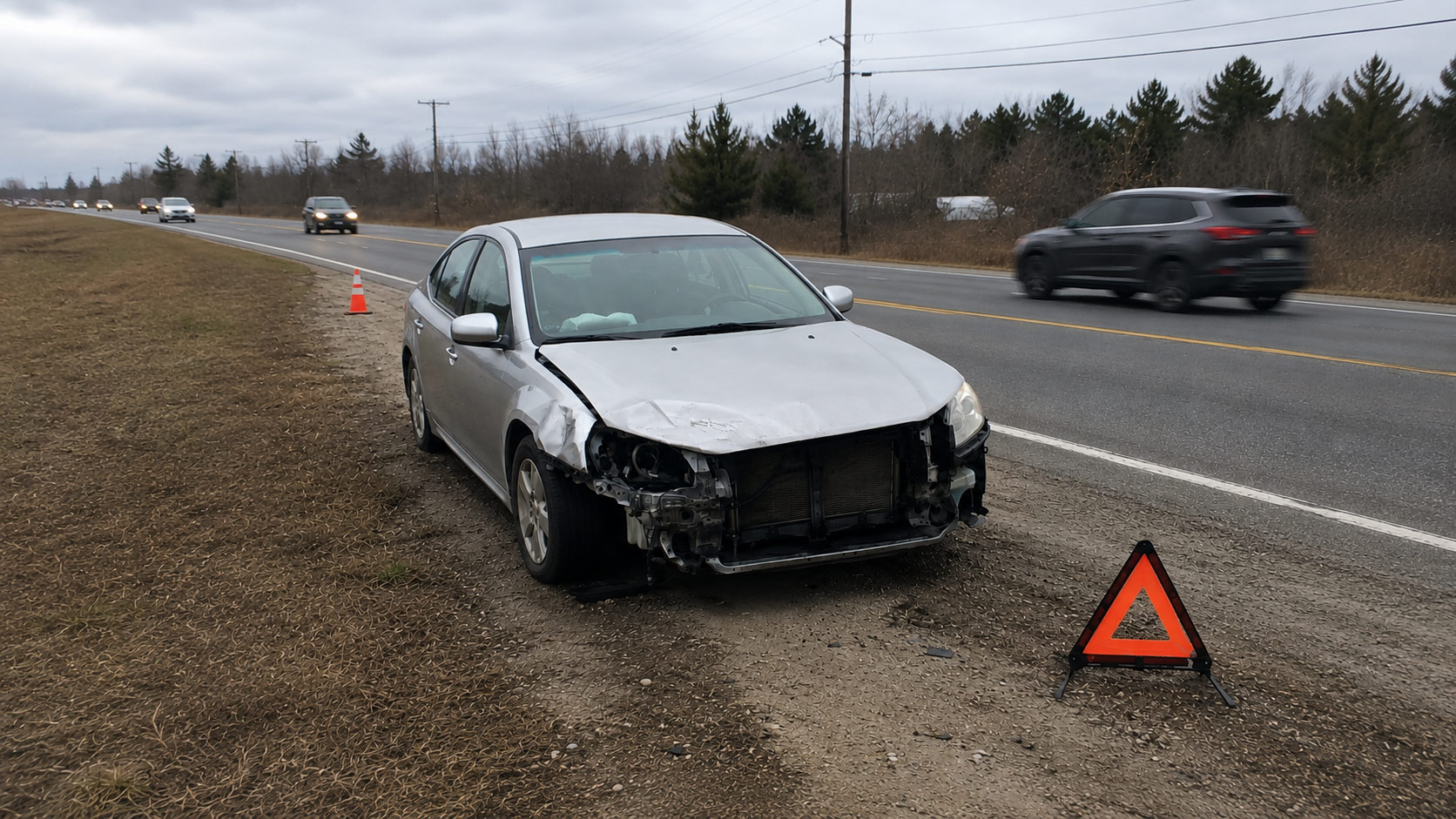
The decisions made in the two days after a car accident often shape the outcome of a claim more than anything that happens afterward. Injuries, insurance conversations, and evidence all move quickly, and knowing what to do in those first 48 hours can protect both a person’s health and their ability to recover fair compensation.
Right After the Crash
Safety comes first. Moving vehicles out of traffic when possible, turning on hazard lights, and checking for injuries should happen before anything else. Once everyone is safe, a few steps in the immediate aftermath matter most.
- Call 911 to report the accident and request police and medical response
- Exchange insurance and contact information with the other driver
- Take photos of vehicle damage, license plates, road conditions, and any visible injuries
- Get names and contact information from any witnesses at the scene
- Avoid discussing fault with the other driver, even casually
A person should never assume an injury is minor just because adrenaline is masking the pain. Some of the most serious injuries, including concussions and soft tissue damage, take hours or even days to become noticeable.
Within the First 24 Hours
Medical evaluation should happen as soon as possible, even for someone who feels fine at the scene. A doctor’s visit within 24 hours creates a medical record tying any injury directly to the crash, which becomes important if symptoms worsen later or if an insurance company later questions whether an injury was actually caused by the accident.
This is also the point to start keeping records. A simple folder, physical or digital, should hold the police report number, photos from the scene, contact information for witnesses and the other driver, and notes about how the person is feeling physically.
Reporting the Accident to Insurance
Most policies require prompt notice of an accident, so a call to the insurance company within a day or two is standard, and a car accident lawyer can review the claim before that call if there is any doubt about how much to share. That call should stick to basic facts, the date, location, and vehicles involved, without speculating about fault or downplaying any injury. Detailed statements about pain levels or long-term prognosis are better left until the full extent of an injury is known.
Watching for the Insurance Company’s Early Moves
The other driver’s insurance company sometimes calls within the first 48 hours to request a recorded statement or offer a quick settlement. Both moves tend to favor the insurer far more than the injured person. A recorded statement given before the full extent of an injury is understood can be used later to minimize a claim, and an early settlement offer almost never accounts for medical treatment that has not yet happened.
- Politely decline to give a recorded statement to the other driver’s insurer
- Avoid signing any settlement offer before understanding the full scope of injuries
- Keep all communication in writing when possible
- Ask questions before agreeing to anything
Building a Strong Foundation for a Claim
Following these steps within the first two days creates the kind of clear, well-documented record that supports a strong claim later, whether that means negotiating with an insurance company or pursuing a lawsuit. Anyone dealing with significant injuries, disputed fault, or an insurance company that is already pushing back should consider speaking with a Los Angeles personal injury attorney early, since the choices made in these first days are much easier to get right with guidance than to fix after the fact.